








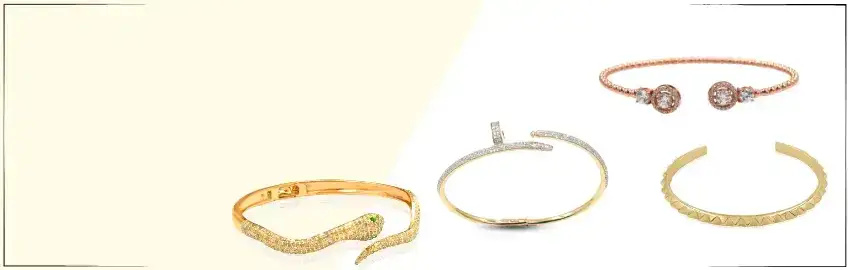







How To Tell If You Have White Gold?
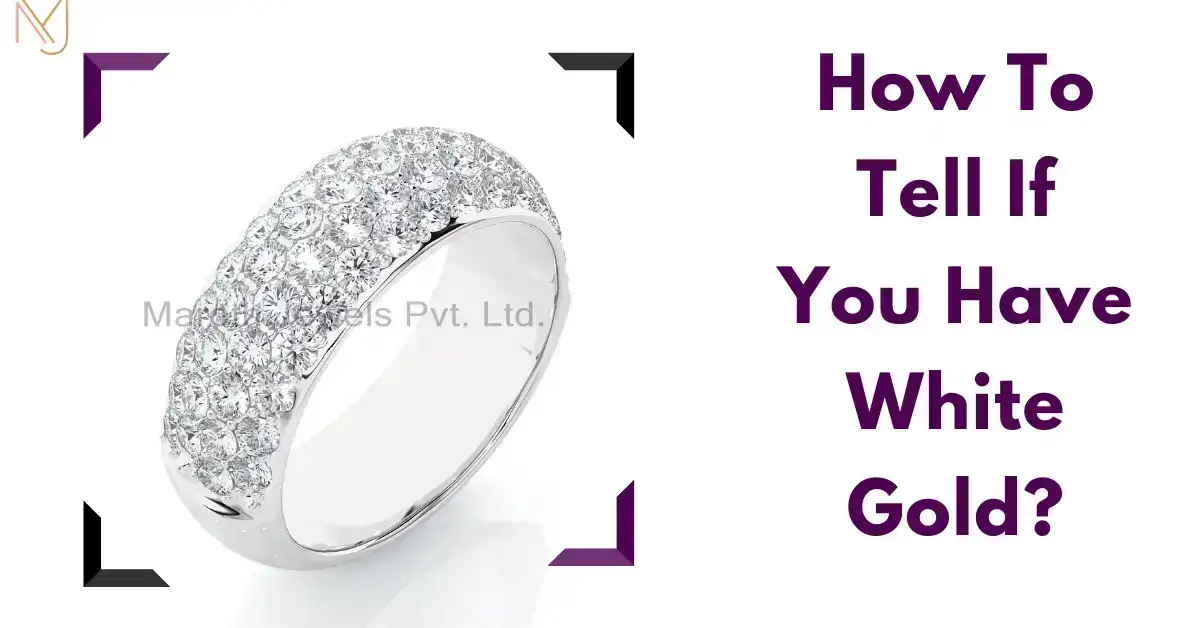
How To Tell If You Have White Gold?
White gold developed in response to market demand for platinum, a natural white metal that first came to Europeans' attention at about the time of the middle of the 18th century. But platinum proved a difficult metal for jewelers to handle and platinum jewelry was rare outside of other wealthy circles. 1890 marked its breakthrough moment, when Cartier, a French jewelry house began releasing platinum jewelry in a new, more workable form of platinum alloy.
What is a White Gold?
White gold is a luminous testimony to sophistication and enduring appeal, in fine jewelry. White gold consists of a harmonious combination of pure gold with white alloys containing most commonly nickel, palladium or silver which helps prevent white gold from being a dull metal.
VISIT FOR :: jewelry manufacturers
So, choosing this is the best alternative material to be chosen as platinum, without spending much. It is not only a process that will add a cool and contemporary aesthetic to a metal, but it also provides additional durability to an alloyed metal making it a well loved choice for creating beautiful jewelry pieces. In addition, that experienced process also means white gold absorbs all needed properties from pure yellow gold.
What Is White Gold Made Of?
White gold is gold that is alloyed with various white metals such as palladium, nickel, zinc, silver. Pure gold, by the way, doesn't exist, it’s naturally yellow. An alloy with whites masks the yellowness of gold, creating warm toned, grayish white products. That’s why these alloy metals also add the necessary strength to white gold. It is a very soft metal! Pure gold is easy to bend, dented, and scratched. Daily wear requires mixed metal gold alloys. If you’ve ever owned or seen white gold that is not yellow or some shade of gray, it’s very possible your jewelry was plated in rhodium (read so much more on that coming up).
White Gold 10K vs. 14K vs. 18K
The quantity of gold in white gold is stated in gold karats (14 karat or 18 karat gold are the two most commonly used in jewelry).
While of lower gold purity, 14k white gold (54.3% gold) is harder and whiter than 18k.
The lower gold in it allows a larger percentage of the stronger white metals, since.
A higher gold purity (up to 75%, or 18k gold) is heavier, has a natural beauty and luster that can only be matched by high gold purity alloys, and is much more resistant to tarnish and corrosion.
We also offer 10k white gold (41.7% pure gold), which isn’t as traditional a choice for meaningful, long-lasting pieces like wedding rings as it has low gold content.
Components and Purity
White gold is mostly made up of gold, usually ranging from 58 per cent to 75 percent pure gold. Alloys such as nickel and rhodium plating were added to provide strength and durability for that white hue you'd want. When it comes to white gold, another side, palladium, is well regarded for what it lacks, namely, nickel, and so white gold is recommended for folks with sensitive skin. While plated with silver, it is much more common due to the low cost, while platinum plating gives it a higher purity and more resistance to tarnishing.
How to Identify White Gold?
If you’re in the market for a piece of white gold, you can tell if it’s real by looking at its quality mark.
If a piece isn’t stamped, the gold purity is up to the person selling it, and be willing to declare it on the spot, in some other way.
The marks they look out for, and what they mean, are here.
18 Karat, 18K, or 750. The meaning of these marks is any one of these is a saying that of the 24 parts (75%) of the metal is gold.
14 Karat, 14K, 585, or 583. Gold states that 14 of the 24 parts (58.3%) of 24 are gold. A 585 mark also means that 14k gold is slightly overrated at 58.5% of total content.
10 Karat, 10K, or 417. Say that gold is 10 of 24 parts (41.7 percent).
GF, GP or GEP. The gold filled, gold plated, gold electroplated are these marks. You’ll typically see it adjacent to a karat number, such as a 14K GP.
Vermeil or 925. Indicates that the item is made of sterling silver and gold plated.
VISIT FOR :: 9 carat gold
The value of white gold
White gold’s value can differ. That’s because a lot of things about white gold are different, like how gold content or what materials are used. Additionally, since white gold is a color of gold just like gold itself, its value fluctuates, period (like 24k gold). The value of white gold can change from day to day. This need not be a problem: The value of gold is fairly stable.
Is white gold more expensive than gold?
Usually, it is believed that white gold is more expensive than yellow gold. The reason is because each piece of white gold jewelry is rhodium plated by our goldsmiths who do a little more work than their yellow gold counterparts. But at Minitials the prices are the same for white gold and yellow gold, which means you can also buy jewelry for less than the published prices.
How to clean white gold?
For unplated white gold:
Take your white gold piece in a warm water and gentle dish soap solution for about ten minutes.
Use a soft bristle toothbrush and lightly scrub.
Dry the teeth with a paper towel or a soft cloth and rinse.
Conclusion
Timeless elegance and versatility in fine jewelry meet where white gold does. This combination of neutral hue is perfect for many designs. Symbolically, white gold has much more than just an aesthetic importance: it is a choice over the actual meaning. Its allure signifies a love that endures and is forever committed to another, making it so widely sought after for sentimental pieces that will wear out well.
What is the Difference Between Platinum, White Gold & Silver?
Silver, white gold, and platinum are popular metals. We will look at the same in this blog. Read till the end and find out all you need to.
White Gold – What is it?
White gold is an alloy. It is made from yellow gold mixed with white metals. Common white metals include palladium, nickel, and silver. White gold is often coated with rhodium. This gives it a bright, white finish.
Platinum – What is it?
Platinum is a super popular metal. This is white-colored metal. This is even more expensive than the gold itself. It is used in various things. We will learn all about it later down the line.
Silver – What is it?
Silver is a precious metal. Copper is usually added to strengthen it. Silver is affordable and versatile. It has a bright, white shine. However, silver can tarnish over time.
VISIT FOR :: Custom Jewelry
What is the Difference Between Platinum, White Gold & Silver?
The main differences are in their composition, appearance, and cost. Platinum is a pure metal. White gold is an alloy. Silver is also an alloy but primarily composed of pure silver. White gold is durable but requires maintenance. Silver is less durable and can tarnish. Silver has a bright, white shine. Understanding these differences helps you choose the best metal for your needs.
Affordability
Affordability varies between these metals. Silver is the most affordable. It is still affordable compared to platinum. Platinum is the most expensive. It is considered a luxury metal. The cost reflects its rarity and durability. Choose based on your budget and preference. Each metal offers value in its own way.
Long Term Care
Long-term care is important for maintaining jewelry. Silver requires regular cleaning to prevent tarnish. Use a silver polish or a soft cloth. White gold needs periodic rhodium plating. This keeps it looking bright and white. Platinum requires minimal maintenance. It develops a patina over time. This adds to its character. Regular cleaning keeps it shining. Consider the care requirements when choosing a metal.
Durability
Durability is a key factor in choosing jewelry. It is resistant to wear and damage. White gold is durable but can wear down over time. It may need rhodium plating to maintain its appearance. Silver is the least durable. It is softer and more prone to scratches and tarnish. Consider how you will wear your jewelry.
Finish
The finish of the metal affects its appearance. Platinum has a natural, white finish. It develops a patina over time. This gives it a unique look. White gold is coated with rhodium. This gives it a bright, white finish. The coating can wear off and needs replating. Silver has a bright, white shine. It can tarnish and dull over time. Regular cleaning restores its shine. Choose the finish that you prefer. It impacts the overall look of your jewelry.
Colour
Color is a significant factor in choosing jewelry. The coating can wear off, revealing a yellowish tint. Silver has a bright, white color. It can tarnish and develop a dark patina. Regular cleaning keeps it bright. Consider the color when choosing a metal. It affects the appearance and maintenance of your jewelry.
VISIT FOR :: Mood Ring Color Meanings & How Does It Work?
Cost
Cost varies significantly between these metals. Silver is the most affordable. It is less expensive than platinum. Platinum is the most expensive. It is a luxury metal. The cost reflects its rarity and durability. Consider your budget when choosing a metal. Each offers unique benefits.
Pairing
White gold is versatile. It pairs well with diamonds and colored gemstones. Consider the gemstone when choosing a metal.
Wear & Care
It develops a patina that adds character. White gold needs regular rhodium plating. This maintains its bright, white appearance. Silver requires regular cleaning to prevent tarnish. Use a soft cloth and silver polish.
Weight and Hardness
Weight and hardness affect comfort and durability. Platinum is the heaviest. It is dense and durable. White gold is lighter than platinum. It is strong but can wear down over time. Silver is the lightest. It is soft and more prone to scratches. Consider the weight and hardness when choosing a metal.
Value of Silver, White Gold, and Platinum
The value of these metals varies. Silver is the most affordable. It is widely available. White gold is more valuable than silver. It is durable and versatile. Platinum is the most valuable. It is rare and highly durable. The value reflects the rarity and properties of each metal. Consider the long-term value when choosing a metal. It affects your investment and satisfaction.
Which Precious Metal Is Best for You?
This choice depends on the person itself. It is versatile and popular. Silver is budget-friendly. Each metal has unique benefits. There are a lot of things that you need to consider here.
Conclusion
Platinum is durable and luxurious. White gold is versatile and affordable. Silver is budget-friendly and bright. With this being said, it’s time to conclude the blog.
Recent Posts
The Confusion Around Zodiac Dates and Cusp Jewelry
Zodiac Signs Symbols and Dates Explained Simply



Custom Jewelry for Mother's Day Design Ideas

All Carat Diamond Rings Guide

Top 20 Custom Jewelry Jewelers in Orange County
Related products


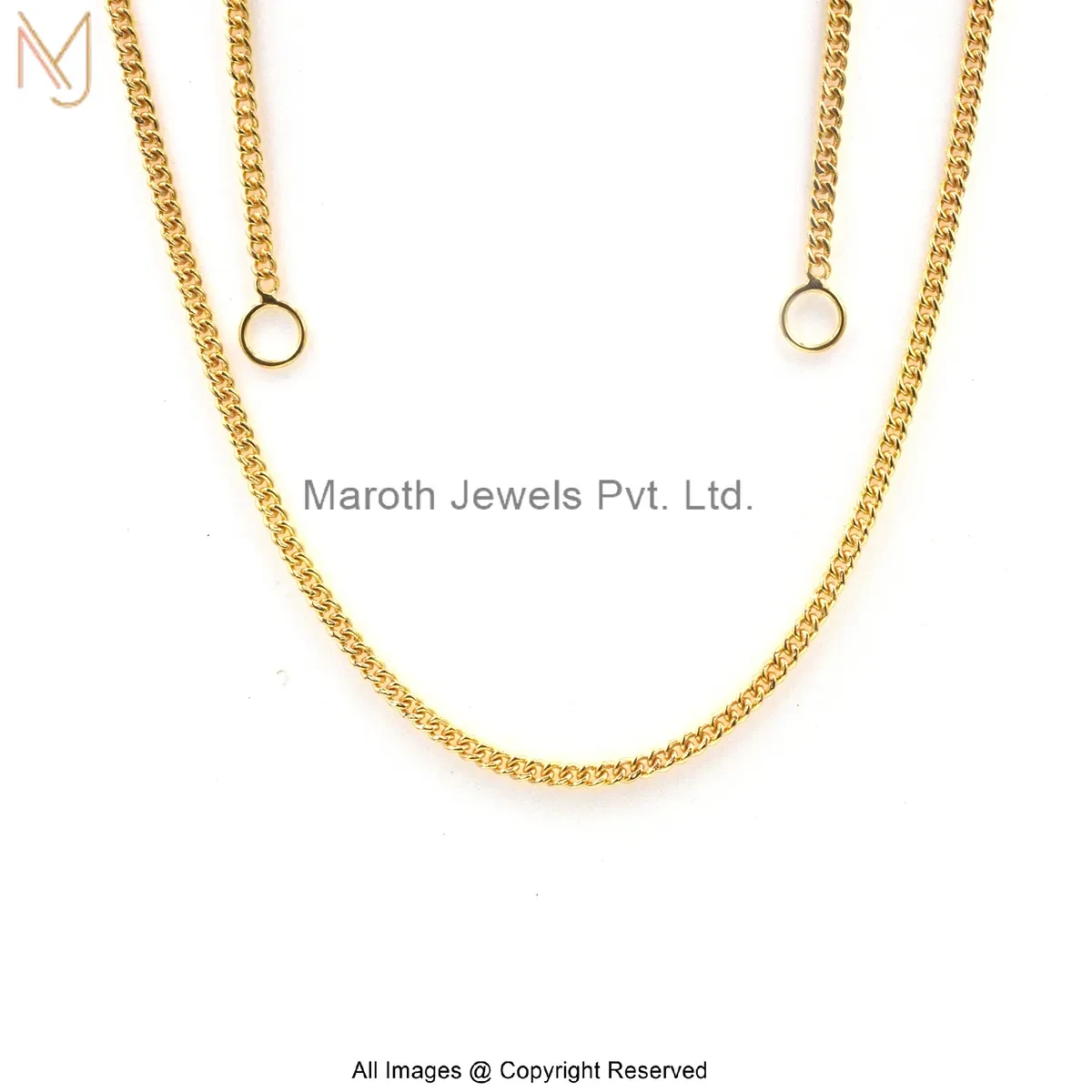
14K Yellow Gold 3mm Chain Thikness Curb Chain Necklace Jewelry Supplie


14K Yellow Gold Rolo Chain Necklace Jewelry Supplier


14K Yellow Gold Thin Chain Necklace Custom Jewelry


Wholesale 14K Yellow Gold Paperclip Link Chain Necklace Jewelry

14K Yellow Gold Link Charm Chain Necklace Manufacturer
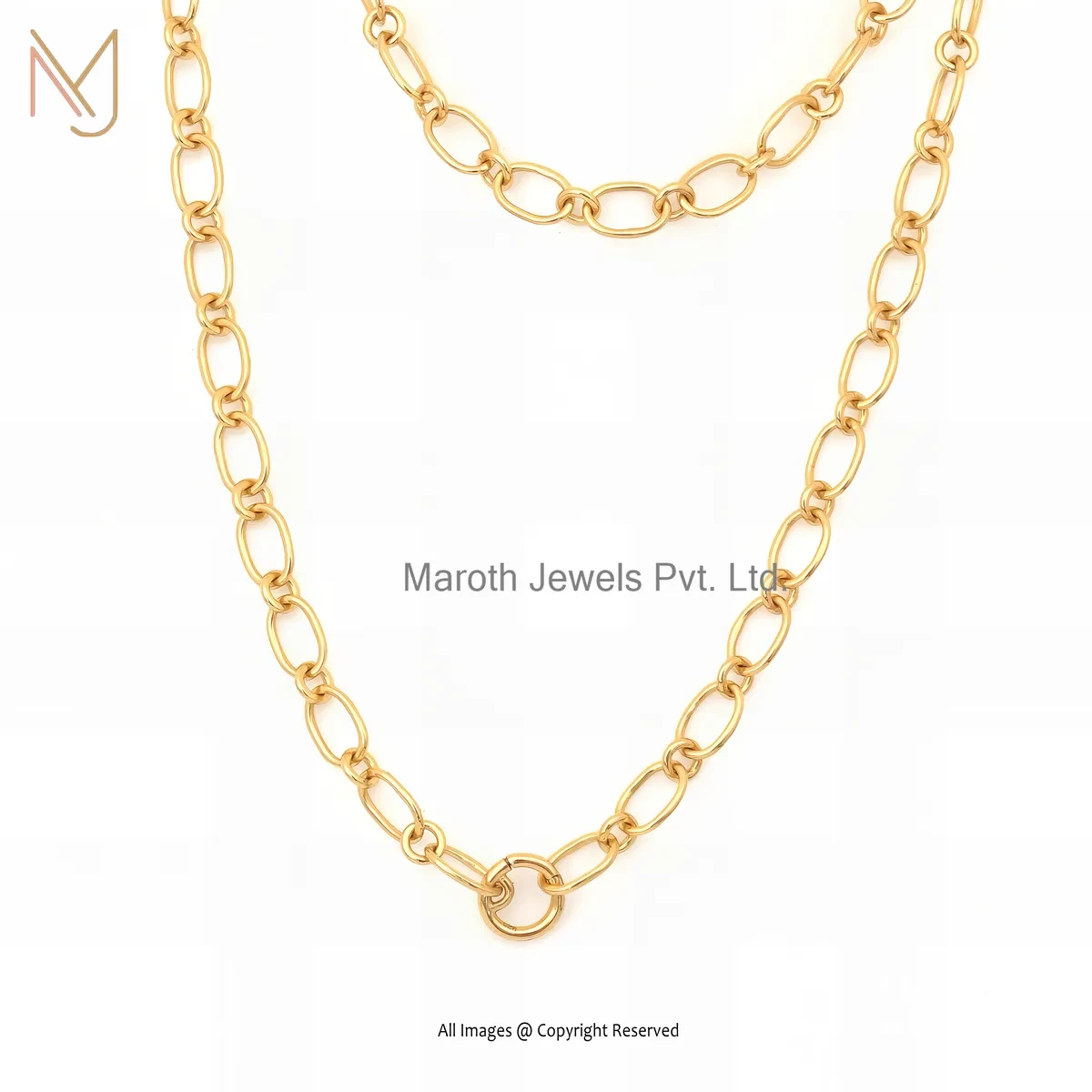
14K Yellow Gold Chain Necklace Jewelry Supplier

14K Yellow Gold Link Chain Necklace Custom Jewelry
Contact Us For Custom Jewelry
Please get in touch with us and share your ideas if you have personalized jewelry or are searching for a private label jewelry manufacturer. In accordance with your suggestions, we will make and present genuine jewelry.
Drop Us a Line
Scan QR Code
for immediate contact



Buy wholesale gold, silver, diamond & gemstone jewelry from Maroth Jewels—USA manufacturers & suppliers for B2B, private label, custom & CAD/CAM services.
Contacts
-
Address
SF-204, Pandit Shivdin Ji Ka Rasta, Kishanpole Bazar, Jaipur, Rajasthan
-
Phone / WhatsApp
+91 8003816293
-
Email
My Account
Mobile Apps


Follow Us
About Maroth Jewels
Buy wholesale gold, silver, diamond & gemstone jewelry from Maroth Jewels—USA manufacturers & suppliers for B2B, private label, custom & CAD/CAM services.

